
The Observation Tool
Supporting Teacher Development and Educational Quality in Cambodia
Education systems are strengthened not only through access to schools, but through the quality of teaching within classrooms.
Over many years of working alongside schools, teachers and Cambodia’s Ministry of Education, Youth and Sport (MOEYS), Cambodia Charitable Trust (CCT) recognised the importance of supporting consistent, practical and constructive teacher development.
In partnership with the Teacher Training Department (TTD) of MOEYS, CCT helped co-develop the Observation Tool (OT), a formative and summative classroom observation tool designed to support teacher reflection, professional growth and improved teaching practice in Cambodian primary schools.
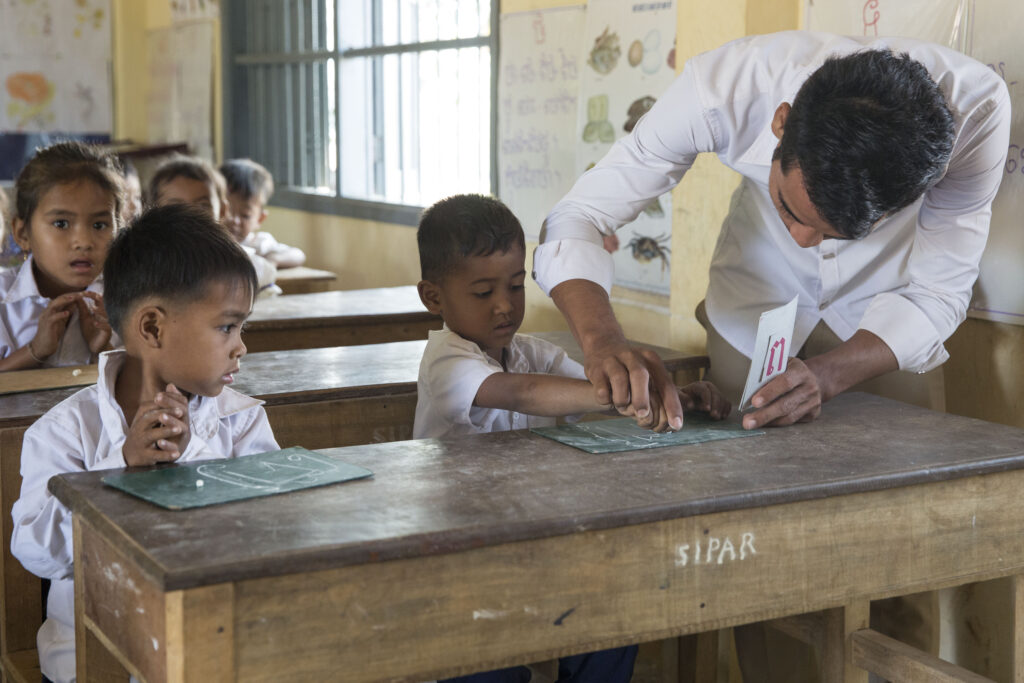
Why the Observation Tool was developed
CCT’s work with Provincial Teacher Training Centres (PTTCs), teachers and cooperative schools highlighted the need for a practical tool that could:
- support consistent classroom observations,
- strengthen feedback for trainee and in-service teachers,
- align with Cambodia’s Teacher Standards,
- identify areas where teachers required additional support,
- and help improve the overall quality of teaching practice.
The goal was not simply assessment, but professional development.
The Observation Tool was designed to encourage reflective teaching practice, constructive feedback and ongoing improvement while also providing useful data to strengthen teacher training programmes.
Collaborative development
Development of the Observation Tool began in 2018 through collaboration between:
- senior Cambodian education leaders,
- the Teacher Training Department,
- Provincial Teacher Training Centres,
- Provincial Offices of Education,
- and experienced education specialists from New Zealand and Southeast Asia working alongside CCT.
The tool was carefully adapted to reflect the Cambodian educational context and aligned closely with MOEYS Teacher Standards.
Pilot testing was conducted in five Cambodian provinces with classroom observations involving newly graduated teachers. Feedback from trainers, provincial education staff and classroom practitioners was then used to further refine and strengthen the tool.
This collaborative process ensured that the Observation Tool was both practical and locally relevant.
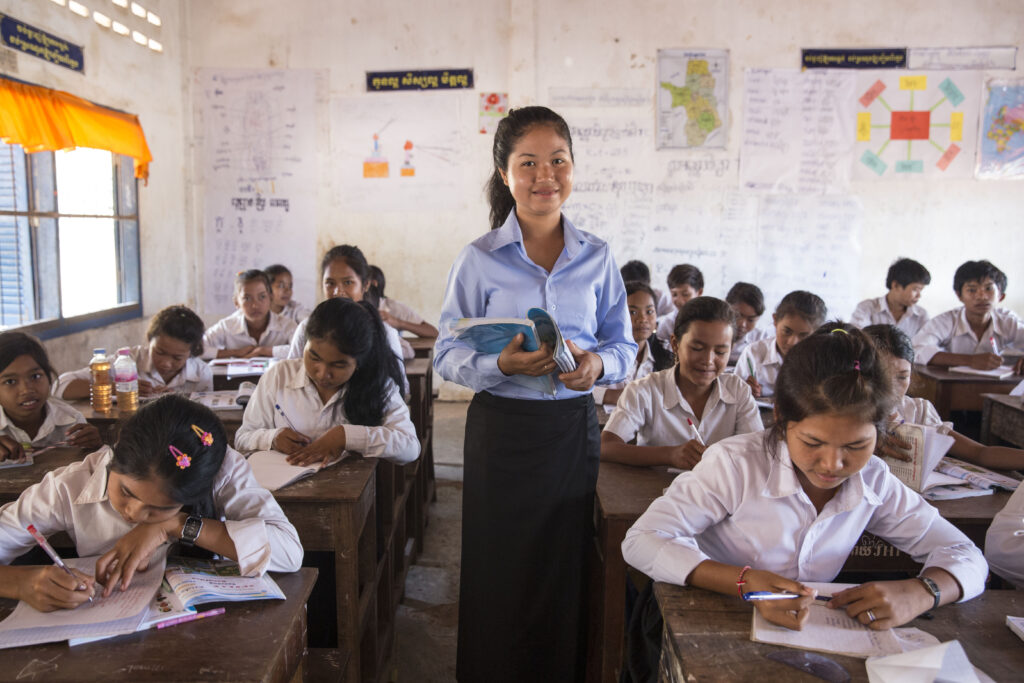
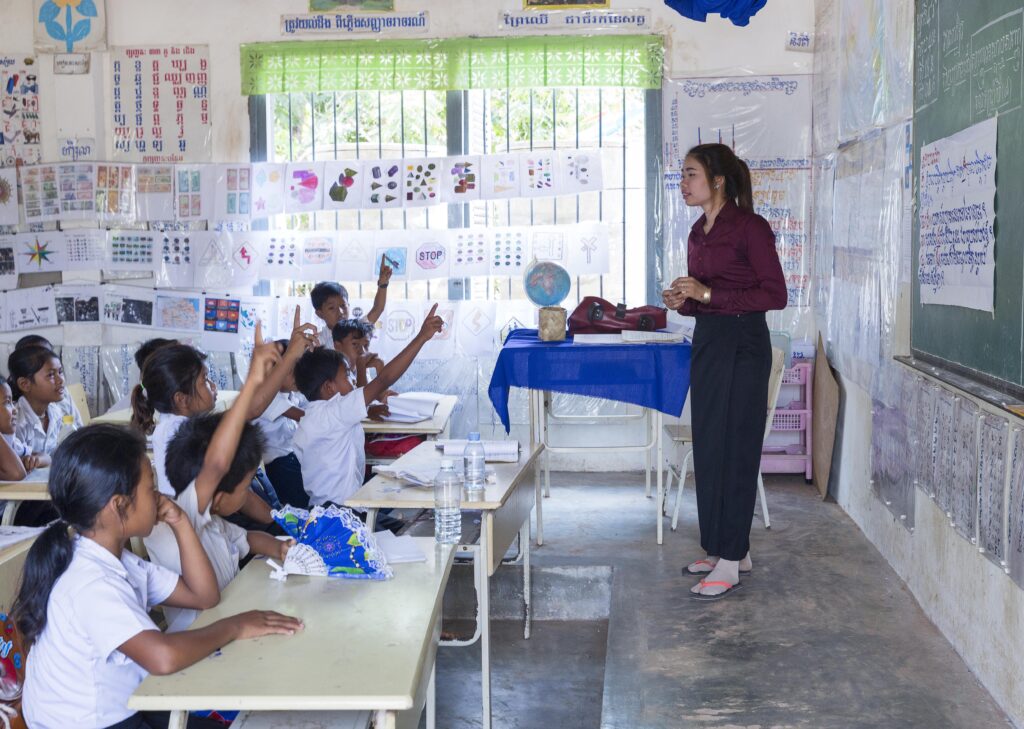
Supporting teacher development
The Observation Tool is used to support both formative and summative assessment.
It focuses on areas including:
- classroom atmosphere,
- lesson structure and preparation,
- teacher-student interactions,
- questioning and feedback,
- collaboration and peer learning,
- differentiation,
- and student engagement.
Importantly, the tool provides clear guidance about what effective teaching practice looks like and supports teachers to identify practical pathways for improvement.
The OT also assists teacher trainers and education leaders to identify common areas where additional training or support may be required.
Capacity building and utilisation
CCT has supported workshops and professional development programmes for PTTC Directors, senior trainers, ICT trainers and Teacher Training Department staff to strengthen understanding and implementation of the Observation Tool.
Part of this work has included supporting the transition of the OT into digital formats, including Google Forms, to improve data collection, analysis and ongoing monitoring.
This approach helps strengthen local ownership, build institutional capacity and support the long-term sustainability of teacher development systems.
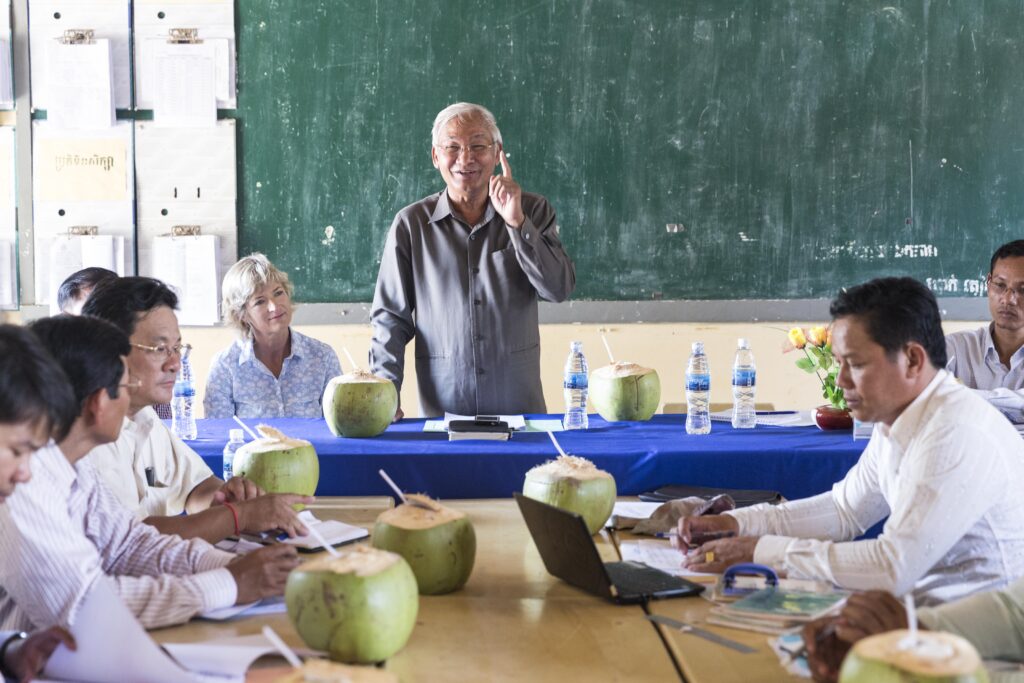
Partnership with MOEYS
The Observation Tool has been formally adopted by MOEYS and is currently used within Cambodia’s primary teacher development system.
CCT is proud to work in partnership with Cambodian educators and education leaders who continue to guide and strengthen this work.
The Observation Tool reflects CCT’s long-term commitment to working collaboratively, building local capacity and supporting sustainable improvements in education for children and communities across Cambodia.